Independent Egypt Travel Guide

Discover Ancient Egypt Without the Guesswork

From the Giza Plateau to the temples of Abu Simbel, Cairo Passes brings you honest, research-backed guides to Egypt's greatest monuments — entry prices, opening hours, insider tips, and itinerary planning all in one place.

120+
Sites Reviewed
7
Travel Regions
14 yrs
On the Ground
4.8
Reader Rating
Top Destinations

Our reviewers spend weeks on the ground so you get accurate, candid assessments of every major site — what to prioritise, what to skip, and how long each genuinely needs.

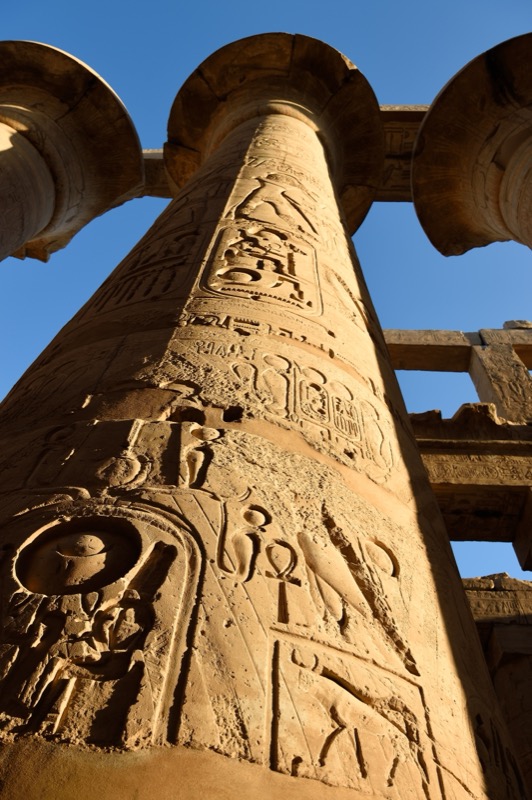
Karnak temple hypostyle hall with massive columns at sunrise
Luxor

Karnak Temple Complex

The largest ancient religious site ever built, covering 100 hectares of columns, pylons, and sacred lakes. The Great Hypostyle Hall alone — 134 columns, the tallest 21 metres — takes a full morning to absorb properly. Entry EGP 360 adults. Our guide covers the best route to avoid crowds.

Read full guide ›
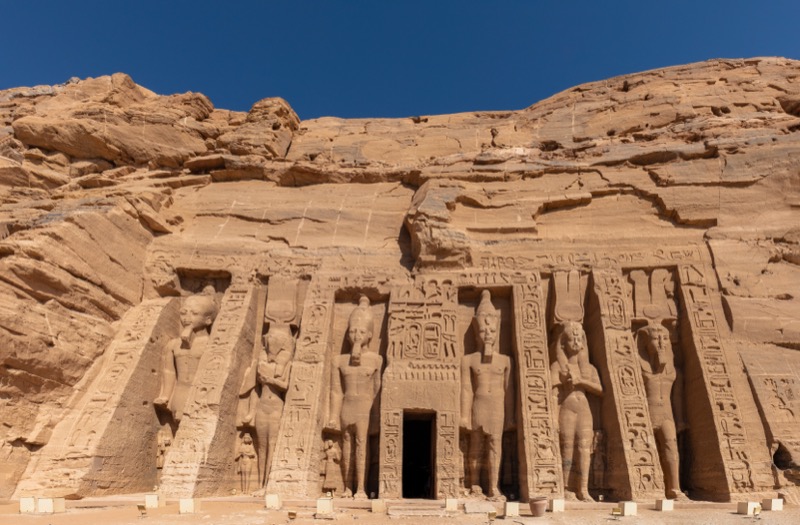
Abu Simbel temple facade with four colossal statues of Ramesses II
Aswan

Abu Simbel Temples

Two rock-cut temples carved under Ramesses II around 1264 BCE, relocated stone by stone in the 1960s to save them from the rising waters of Lake Nasser — one of history's great engineering feats. The interior chambers, still bearing vivid original paint, are extraordinary. Entry EGP 450 adults.

Read full guide ›
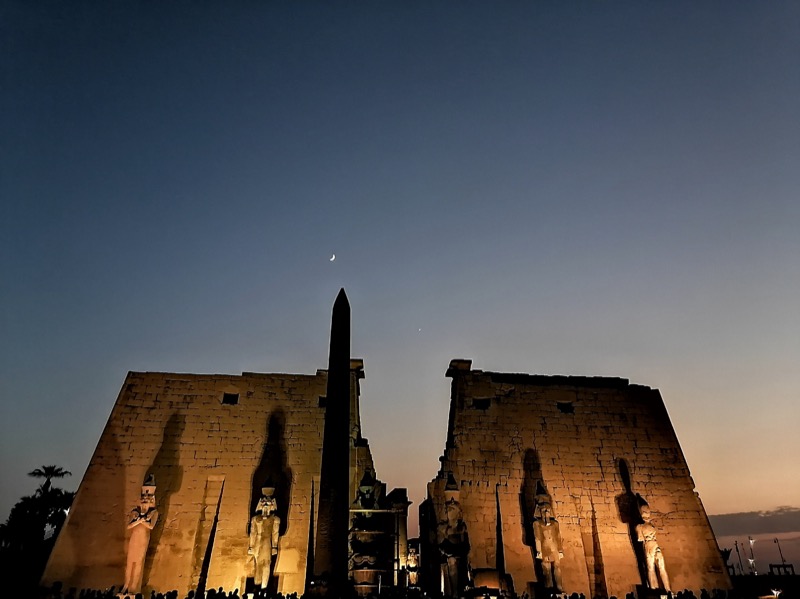
Luxor temple lit up at night with obelisk silhouette
Luxor

Luxor Temple at Night

Unlike Karnak, Luxor Temple stays open until 22:00 and is illuminated spectacularly after dark. The Avenue of Sphinxes connecting both temples stretches 2.7 km and was fully excavated and restored as recently as 2021. Visiting at dusk gives you both daylight detail and the evening light show. Entry EGP 260 adults.

Read full guide ›
Valley of the Kings tomb entrance in the golden limestone hills
Luxor West Bank

Valley of the Kings

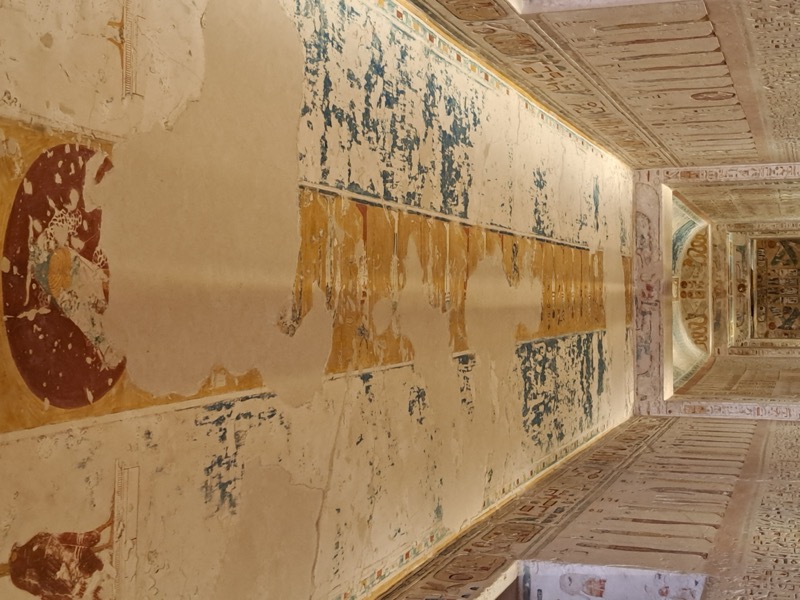
Sixty-three royal tombs cut into the limestone hills west of Luxor, painted floor-to-ceiling with scenes from the Book of the Dead and the Amduat. A standard ticket covers three tombs (EGP 240); Tutankhamun's small but iconic chamber requires a separate ticket (EGP 300 extra). Photography rules vary by tomb.

Read full guide ›
Step Pyramid of Djoser at Saqqara rising from the desert
Memphis

Saqqara & Memphis

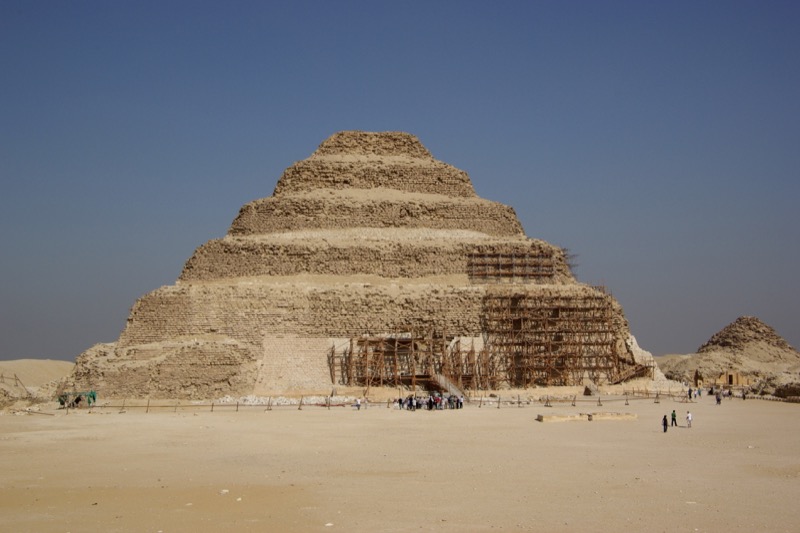
Saqqara is Egypt's oldest royal necropolis, home to Imhotep's Step Pyramid — the world's first large stone structure, built around 2650 BCE. The nearby Serapeum with its giant Apis bull sarcophagi is seldom crowded. Pair with a stop at Memphis to see the fallen colossus of Ramesses II. A half-day combined trip from Cairo is easily achievable.

Read full guide ›
Bibliotheca Alexandrina modern library facade overlooking the Mediterranean
Alexandria

Alexandria & the Coast

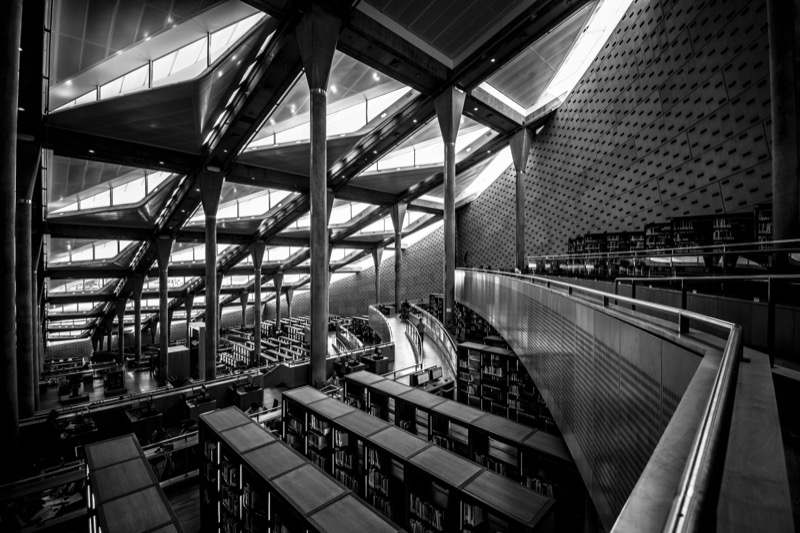
Egypt's second city offers a strikingly different atmosphere — Mediterranean, cosmopolitan, and layered with Greek, Roman, and Islamic history. The Bibliotheca Alexandrina houses an outstanding collection and planetarium. Kom el-Dikka's Roman theatre and the Catacombs of Kom el-Shuqqafa round out a very rewarding overnight visit from Cairo.

Read full guide ›
Our Approach

How Cairo Passes Works

We are a small team of researchers and travellers based in Cairo. Every guide is compiled from direct on-site visits, not aggregated from press releases or travel-agency brochures.

01

Site Visit

Our researchers attend each site at different times of day and across different seasons to give you a complete picture of what to expect.

02

Price Verification

Entry fees in Egypt change regularly. We verify ticket prices against official Ministry of Tourism data every quarter and flag any discrepancies.

03

Honest Assessment

We tell you what is genuinely worth your time and money — including when a famous name does not live up to the hype — and what to skip on a limited schedule.

04

Ongoing Updates

Egypt's sites are actively excavated and restored. We update each guide when significant changes occur — new chambers opened, hours revised, access roads changed.

Visitor exploring the Egyptian Museum of Cairo's grand hall
About Cairo Passes

Founded on the Ground, Not on a Screen

Nile Horizon Travel Guides was established in Cairo in 2010 by a group of archaeologists, historians, and independent travellers who were frustrated by the gap between what tourism websites promised and what visitors actually encountered at Egypt's monuments. Too many guides were recycled from one another, riddled with outdated prices, and vague where specificity matters most.

Since then we have published detailed reviews of over 120 archaeological sites, temples, museums, and cultural attractions across Egypt — from the Western Desert oases to the Sinai's ancient monasteries. Our team is permanently based in Cairo, with field researchers in Luxor and Aswan.

  • Over 120 sites reviewed and regularly updated
  • Permanent research team based in Cairo, Luxor, and Aswan
  • No sponsored content, no affiliate ticket commissions
  • Accessibility notes for visitors with mobility requirements
  • Arabic-language local contacts for each major site
Our full story
Reader Feedback

What Travellers Say

Used the Giza Plateau guide for our family trip and it was invaluable. The note about arriving at 7 a.m. before tour buses was the single best piece of advice we received. We had the base of the Great Pyramid practically to ourselves for 40 minutes.

Portrait of James R.
James R.
London, UK

The Valley of the Kings breakdown — which tombs include in the standard ticket, which to add — saved us both money and a lot of queueing confusion. The photography rules section meant no surprises at the entrance. Exactly the level of detail I needed.

Portrait of Sofia M.
Sofia M.
Berlin, Germany

I appreciate that Cairo Passes tells you what is overhyped. The honest note on Cleopatra's supposed tomb at Taposiris Magna saved me a very disappointing day trip. The Dendera Temple Complex recommendation it suggested instead was spectacular and almost empty of tourists.

Common Questions

Before You Travel

Answers to the questions our readers ask most often when planning a first or repeat trip to Egypt.

Yes, especially during peak season (October–April). The Giza Plateau has daily visitor caps for the Great Pyramid interior. Booking 2–3 days ahead is strongly recommended. The Sphinx area and plateau exterior have no advance requirement but can be very crowded without an early start. We recommend purchasing from the official Egypt Antiquities Authority website or through a registered Cairo hotel concierge to avoid third-party markups.

The Grand Egyptian Museum (GEM) is the world's largest archaeological museum, built adjacent to the Giza Plateau along the Fayoum Desert Road. It houses over 100,000 artefacts including the complete Tutankhamun collection — 5,398 objects spanning royal chariots, golden thrones, alabaster canopic jars, and the famous solid-gold death mask. The museum is open daily from 9:00 to 21:00. Admission starts at EGP 450 for international visitors, with a premium ticket (EGP 700) including the Royal Mummies Hall.

Major tourist destinations in Egypt — Cairo, Luxor, Aswan, Hurghada, and Sharm el-Sheikh — are well-established for international tourism with visible security presence at all key monuments. Standard city precautions apply: keep valuables out of sight, be firm with persistent vendors, and use licensed taxis or ride-share apps rather than unmarked vehicles. The country has welcomed over 14 million foreign visitors in recent years. Solo women travellers report an improving experience, though modest dress is appreciated near religious sites.

The Egyptian Pound (EGP) is the local currency. As of 2024, 1 USD buys approximately 48–50 EGP. Most major sites and museums accept international Visa and Mastercard at ticket windows, though connectivity can be inconsistent at remote sites such as Abu Simbel. ATMs are widely available in Cairo, Luxor, and Aswan. Carry some cash (EGP 200–400 per person per day) for smaller vendors, transport between sites, and tips at monuments — where small tips for guards who open locked chambers are customary and genuinely appreciated.

A focused first visit typically covers Cairo (2–3 days including Giza, the Grand Egyptian Museum, Islamic Cairo, and Old Cairo's Coptic quarter), Luxor (2 days: East Bank for Karnak and Luxor Temple, West Bank for Valley of the Kings and Hatshepsut's temple), and Aswan (1–2 days including Philae, the Nubian Museum, and the unfinished obelisk), totalling 5–7 days. Adding Abu Simbel as an early-morning day trip from Aswan, plus Alexandria for a coastal interlude, brings a full itinerary to 9–12 days. Our day-tour section provides hour-by-hour itineraries for every combination.

October through April is peak season with mild temperatures (18–28 °C in Cairo, slightly warmer in Upper Egypt). November and February are particularly ideal for combining open-air sites with comfortable walking conditions. Summer months (June–August) see extreme heat in Upper Egypt, often exceeding 40 °C — outdoor sites become challenging by mid-morning. Spring (March–April) is a good compromise with shorter crowds and comfortable mornings, though the khamsin dust winds can reduce visibility during brief periodic storms. Ramadan brings a unique festive atmosphere but note adjusted opening hours at some sites and reduced food availability during daytime hours.

Ready to Plan Your Egyptian Journey?

Reach the Cairo Passes team for personalised itinerary advice, accessibility information, or site-specific questions you cannot find in our standard guides.

Get in Touch