About Cairo Passes

A Cairo-based team of researchers, archaeologists, and passionate travellers committed to honest, detailed coverage of Egypt's cultural heritage.

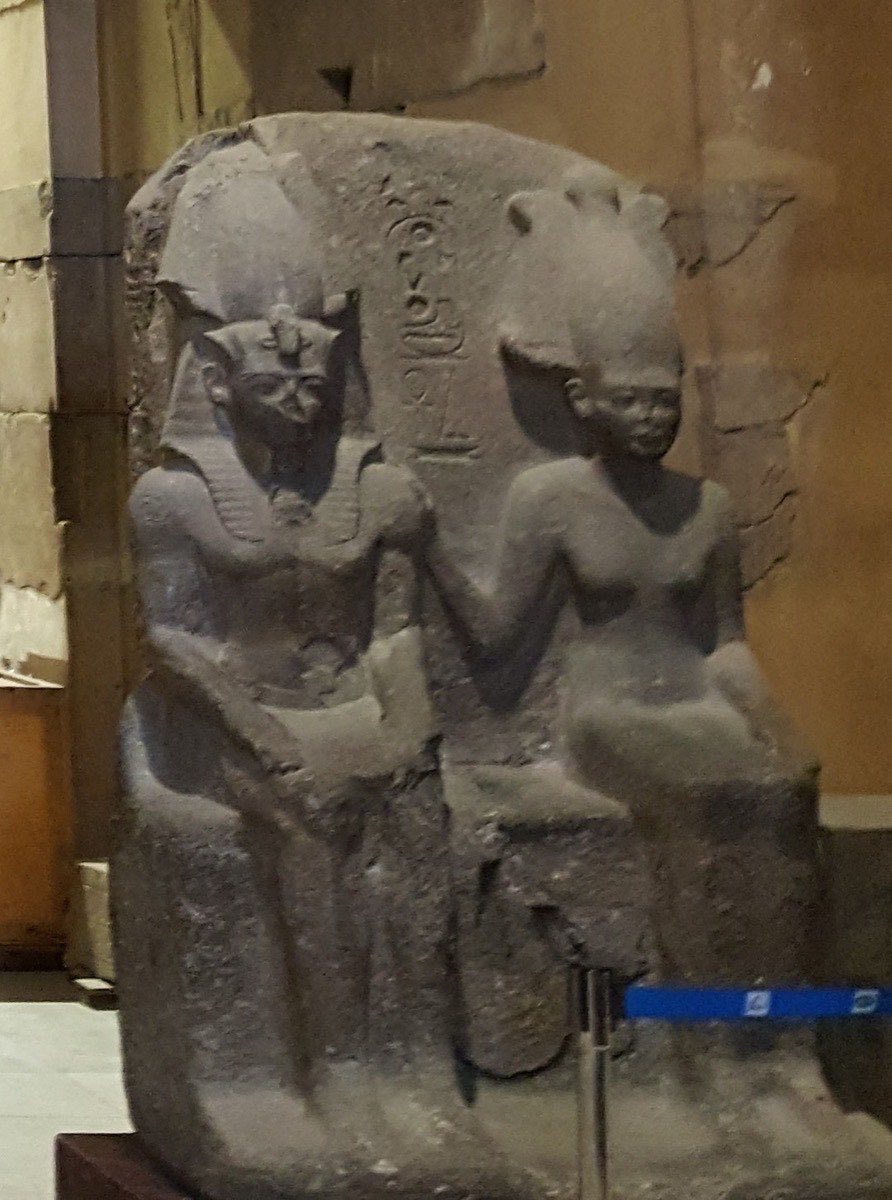
Visitors exploring the Egyptian Museum of Cairo's central hall
Our Story

How Nile Horizon Travel Guides Began

In 2010, four colleagues — an Egyptologist, a travel writer, a documentary researcher, and a veteran Cairo tour operator — sat down at a café in Downtown Cairo and agreed on a single frustration: the information available to independent travellers planning Egypt trips was largely inaccurate, outdated, or deliberately vague. Hotel-affiliated guides steered visitors toward commission-paying vendors. Popular travel apps recycled each other's content without verification. Entry prices, which change frequently under Egypt's Ministry of Tourism regulations, were often quoted from data years out of date.

The answer, they decided, was a guide that did what good journalism does — check primary sources, visit in person, update when facts change, and never accept advertising from the businesses being covered. Nile Horizon Travel Guides Ltd. was formally registered in Cairo in the same year and launched Cairo Passes as its flagship Egypt travel information resource.

Today, Cairo Passes covers over 120 individual sites across Egypt's seven major travel regions: Greater Cairo, Luxor's East and West Banks, Aswan and Nubia, Alexandria and the Northern Coast, the Fayoum Oasis, the Western Desert, and the Sinai Peninsula. Each entry receives a site visit at least once per year and a full data review each quarter.
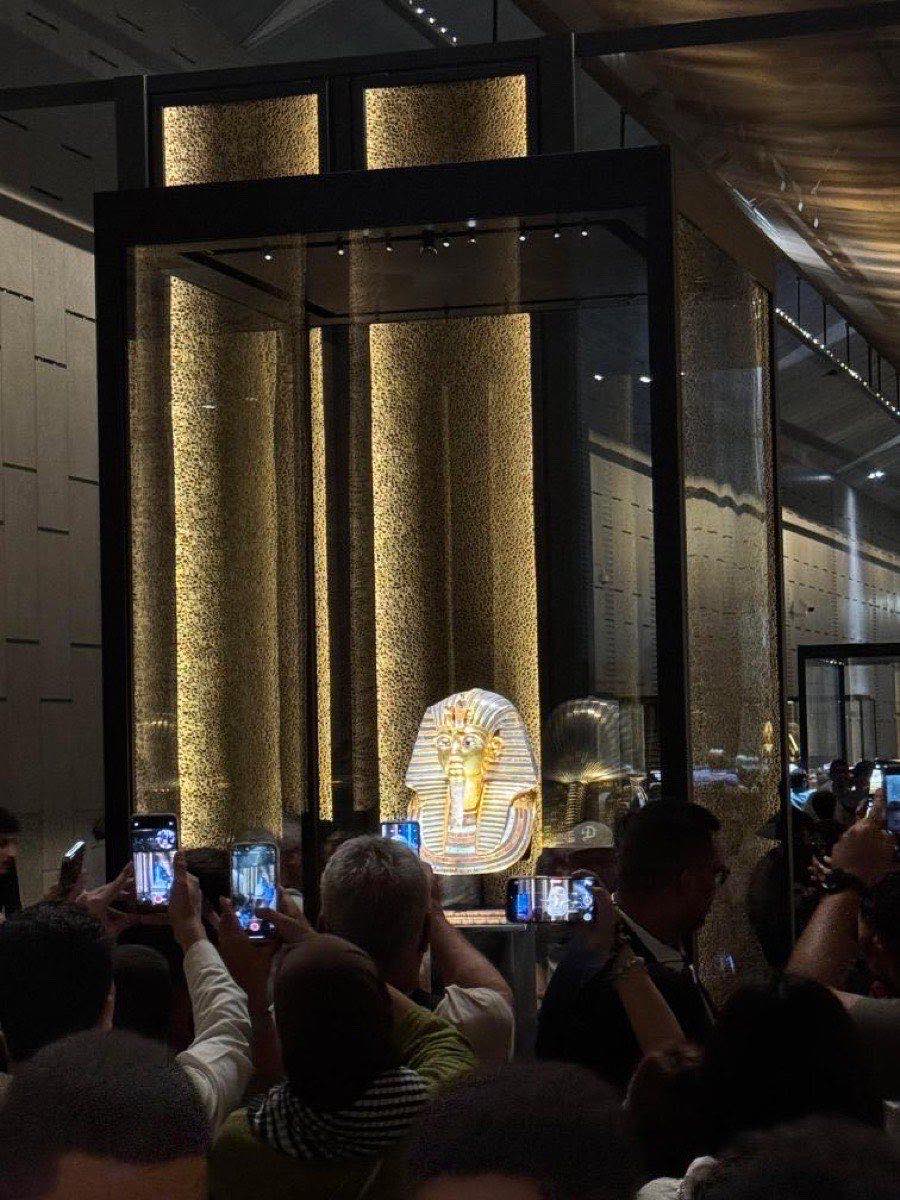

The golden death mask of Tutankhamun, National Egyptian Museum
What We Stand For

Our Editorial Principles

These are not aspirational statements. They are operational rules that every piece of content on Cairo Passes must meet before publication.

No Sponsored Content

We do not accept payment for coverage, placement, or positive framing. Hotels, tour operators, and government tourism boards cannot purchase a recommendation on Cairo Passes. Our revenue comes from annual research memberships and planning consultations — not from the sites we review.

First-Hand Verification

Every guide entry is based on a direct site visit by a named member of the Cairo Passes research team. We do not republish information from other websites, press kits, or official tourism material without independent verification. If we have not visited a site, we say so explicitly.

Price Accuracy Commitment

Entry fees at Egyptian archaeological sites are set by the Supreme Council of Antiquities and change periodically — often without advance notice to international media. We check prices against the official SCA schedule quarterly and flag any discrepancies with a "last verified" date on each page so you always know how current our data is.

Accessibility Reporting

We note surface conditions, step counts, gradient, available seating, and wheelchair access at every site we cover. Egypt's ancient monuments were not designed with modern accessibility in mind, but significant improvements have been made at Karnak, the Grand Egyptian Museum, and several Luxor West Bank sites. We report honestly where access is limited.

Local Knowledge Network

We maintain relationships with licensed Egyptian guides, archaeologists from Cairo University and the French Institute IFAO, and staff at regional tourism directorates. This gives us access to information about temporary closures, new excavation finds, and upcoming restoration schedules that does not reach international travel media for weeks.

Cultural Sensitivity

Egypt's monuments are living heritage sites for Egyptian people, not merely tourist attractions. Our guides consistently note appropriate behaviour at religious sites, dress codes, photography restrictions that are genuinely enforced, and the importance of interacting respectfully with local vendors and communities around popular monuments.

The People Behind the Guides

Our Research Team

A small, permanent team based across Cairo, Luxor, and Aswan — each member bringing a distinct professional background to the work.

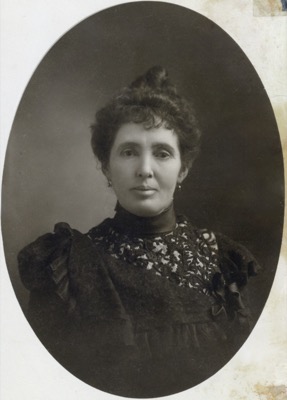
Portrait of Dr. Karim Mansour, Director of Research
Dr. Karim Mansour
Director of Research

Egyptologist with a PhD from Cairo University and 18 years of fieldwork experience. Karim led excavations at Saqqara and the Western Delta before joining Cairo Passes in 2012. He oversees all site accuracy standards and maintains our relationships with the Supreme Council of Antiquities. He is the lead author on all Pharaonic-period monument reviews.

Portrait of Leila Farouk, Head of Editorial
Leila Farouk
Head of Editorial

Former travel correspondent for a Cairo-based English-language publication, Leila joined Cairo Passes in 2014 after a decade covering tourism for both Egyptian and international media. She manages our editorial calendar, handles the quarterly price verification programme, and is the primary author of our accessibility guides. Leila is a certified mobility-access auditor.

Portrait of Marcus Holden, Field Researcher
Marcus Holden
Field Researcher, Upper Egypt

British-Egyptian documentary researcher based in Luxor since 2008, Marcus covers the entire Upper Egypt region for Cairo Passes — from Abydos and Dendera in the north down through Luxor, Esna, Edfu, Kom Ombo, and Aswan. His decade and a half living in Luxor gives him unparalleled local contacts and allows him to track site-condition changes in near real time.

Portrait of Nadia El-Sayed, Digital Editor
Nadia El-Sayed
Digital Editor

Nadia joined Cairo Passes in 2018 from a background in digital journalism and information architecture. She oversees the website's content structure, manages the quarterly data review cycle, and writes our practical planning guides — transport, accommodation, safety, money, and communications. She also responds to reader enquiries through our contact channel.

Company History

Fourteen Years of Egyptian Coverage

2010
Company founded

Nile Horizon Travel Guides Ltd. registered with GAFI in Cairo. Initial focus: 20 core sites in Greater Cairo and the Giza Plateau with first quarterly verification cycle established.

2012
Upper Egypt expansion

Coverage extended to Luxor and Aswan with a permanent field researcher stationed in Upper Egypt. Sixty additional site entries added across the Theban region.

2014
Accessibility audit programme

Launched a dedicated accessibility review initiative in response to reader demand. Partnered with mobility-access certification bodies to set a consistent audit framework for Egyptian monuments.

2017
Desert and coastal regions

Coverage expanded to the Western Desert oases (Siwa, Bahariya, Dakhla, Farafra), the Northern Coast, and the Sinai Peninsula, completing Egypt-wide geographic coverage.

2020
Pandemic documentation

During the Covid-19 closure period, the team used restricted access windows to document sites at unprecedented depth — photographing chambers normally crowded with visitors and recording architectural details for our long-form heritage series.

2022
Grand Egyptian Museum preview

Granted press access to the Grand Egyptian Museum during its staged opening phase. Published the first comprehensive independent review of the museum's layout, collections, and visitor experience ahead of full public opening.

2024
Cairo Passes platform launch

Consolidated all Nile Horizon research under the Cairo Passes brand with a rebuilt digital platform, real-time price update system, and expanded planning consultation service for independent travellers.

By the Numbers

Cairo Passes at a Glance

120+
Sites Covered
14
Years Active
7
Travel Regions
4
Staff Researchers
0
Sponsored Reviews
Our Research Method

How a Cairo Passes Guide Is Made

Producing a reliable Egypt site guide is not a single-visit task. Our process has four stages, repeated on a rolling quarterly cycle across all 120+ entries in our database.

Stage 1 — Site Visit

A Cairo Passes researcher visits the site in person, paying standard admission at the gate rather than receiving complimentary press access. We experience exactly what an independent traveller experiences: the queuing process, the ticket-window procedures, the signage quality, and the actual condition of the monument or museum galleries. Notes are taken on-site; photographs are made with a timestamp. The visit typically takes two to four hours depending on the size of the property.

Stage 2 — Data Verification

Following the site visit, the researcher cross-references observations against the Supreme Council of Antiquities' official schedule for entry fees, the Ministry of Tourism's published opening hours, and, where applicable, the individual site's own posted tariff board. Any discrepancy between our on-the-ground observation and official documentation is flagged in the final published entry with a specific note explaining what was found. This stage also covers transport connections, nearby facilities, and accessible route mapping.

Stage 3 — Editorial Review

Draft content goes to our Head of Editorial for a factual and stylistic review. Claims are checked against at least two independent sources where possible. Entry fees and opening hours are telephoned through to the site's visitor office for confirmation before publication. Accessibility notes are reviewed separately by our certified accessibility auditor, who checks that conditions described match established audit criteria rather than subjective impressions.

Stage 4 — Quarterly Update

Every published guide carries a "last verified" date. Every 90 days, our team contacts each site to confirm whether prices, hours, or access conditions have changed. Sites that have changed are re-visited in person within 30 days of receiving a change notification. This cycle means that no information on Cairo Passes is ever more than four months out of date — a standard very few Egypt travel resources can match. If you notice something has changed before we have updated it, our contact form routes directly to the researcher responsible for that region.

Our model is simple: we charge readers directly for the most detailed planning resources — itinerary packs, custom consultations, and priority question-and-answer access — and we make our core site guides free because honest, up-to-date information benefits every traveller, not just those who pay for a premium plan. Discover our research membership options or browse individual site reviews to see the depth of coverage we provide.

Have a Question for Our Team?

Whether you need a personalised itinerary, specific accessibility information, or guidance on a less-visited site, our team is glad to help.

Reach the Desk