Greater Cairo

Giza Plateau: Complete Visitor Guide

The only surviving Wonder of the Ancient World, 12 kilometres from central Cairo. This guide covers every ticketed attraction, the best arrival strategy, and current entry prices — verified June 2024.

The three Giza Pyramids at dusk against an orange sky
What to Expect

The Giza Plateau in Context

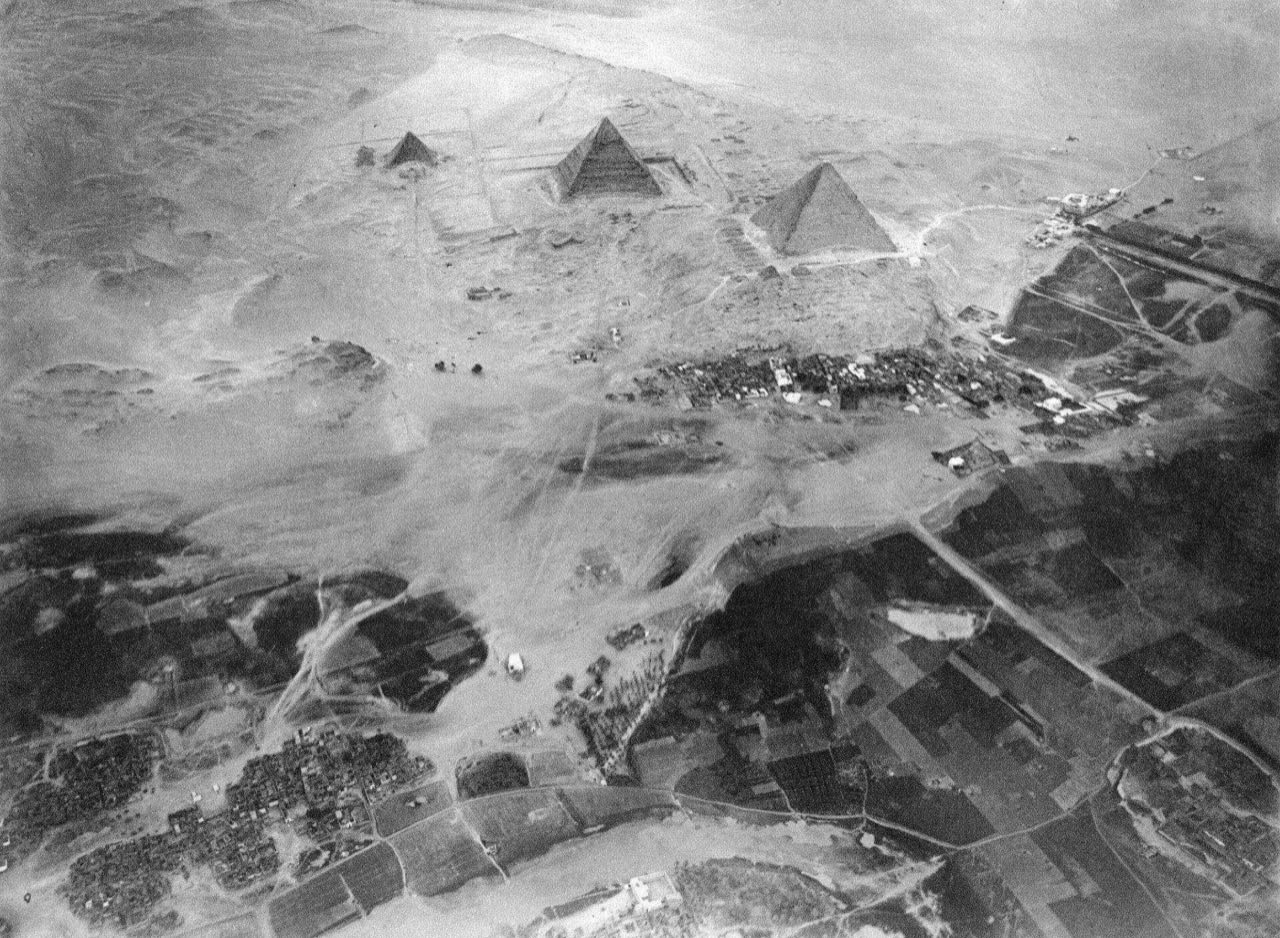
The Giza Plateau is not a single monument — it is a complex of at least nine major structures spread across several square kilometres of limestone bedrock, plus the Grand Egyptian Museum immediately adjacent to the main entrance. Most visitors dramatically underestimate both the scale and the time required to see it properly.

The three great pyramids were built during the 4th Dynasty, roughly between 2560 and 2510 BCE — the reign of Khufu, his son Khafre, and grandson Menkaure. The complex also includes three smaller queens' pyramids, the mortuary temples attached to each main pyramid, a causeway system connecting the valley temples to the plateau, and the Great Sphinx with its adjacent temple. The Solar Boat Museum, housing a reconstructed 4,600-year-old cedar bark, sits immediately south of the Great Pyramid.

The Grand Egyptian Museum (GEM), opened fully in 2023, sits 2 kilometres from the plateau entrance and requires its own substantial block of time — ideally a separate visit day. Trying to combine both the plateau and GEM in a single day is technically possible but deeply unsatisfying for either.

  • General plateau ticket (EGP 160) covers exterior access to all three pyramids and the Sphinx enclosure
  • Great Pyramid interior: EGP 400 additional, 300 daily limit — book via official SCA website
  • Solar Boat Museum: EGP 100 additional
  • Grand Egyptian Museum: EGP 450 standard / EGP 700 with Royal Mummies Hall
  • Open daily 07:00–17:00 (plateau); GEM 09:00–21:00
The Great Pyramid of Khufu seen from the ground
Entry Prices

Tickets — Current Prices (June 2024)

All prices in Egyptian Pounds (EGP). Exchange rate approximately 48–50 EGP per USD as of mid-2024.

Attraction Adult (International) Student (with ID) Notes
Giza Plateau (general ticket) EGP 160 EGP 80 Covers plateau grounds, all exterior views, Sphinx enclosure
Great Pyramid interior (Khufu) EGP 400 EGP 200 300 visitors/day cap; advance booking strongly advised
Khafre Pyramid interior EGP 100 EGP 50 Included in most daily allocations; narrower passage than Khufu
Solar Boat Museum EGP 100 EGP 50 Houses the reconstructed 43.5-metre cedar bark of Khufu
Grand Egyptian Museum (standard) EGP 450 EGP 200 Separate site; 2 km from plateau entrance
Grand Egyptian Museum + Royal Mummies Hall EGP 700 EGP 350 Highly recommended addition — 43 royal mummies displayed
On-the-Ground Tactics

How to Visit Without Regret

These recommendations come from dozens of visits at every time of day. The difference between arriving at 07:00 and arriving at 10:00 is genuinely transformative — not just in crowd levels but in photographic conditions and personal experience.

07:00

Arrive at Opening

Gates open at 07:00. The first 60–90 minutes are dramatically quieter. The Great Pyramid interior is far more tolerable in the cool morning air. Tour buses arrive between 09:00 and 10:30 — plan to be at the Sphinx before this.

09:00

Sphinx & Valley Temple

Walk the Sphinx enclosure when it is still relatively uncrowded. The Valley Temple of Khafre adjacent to the Sphinx is remarkable — enormous polished granite blocks, minimal tourist infrastructure. Most visitors spend less than 15 minutes here; allocate 30–45.

10:30

Solar Boat Museum

The Solar Boat is housed in a climate-controlled museum directly south of the Great Pyramid. The reconstructed bark (43.5 metres long, built without a single nail) is one of the finest surviving examples of ancient Egyptian craftsmanship. Allow 30–45 minutes and enter before the midday heat peak.

Separate Day

Grand Egyptian Museum

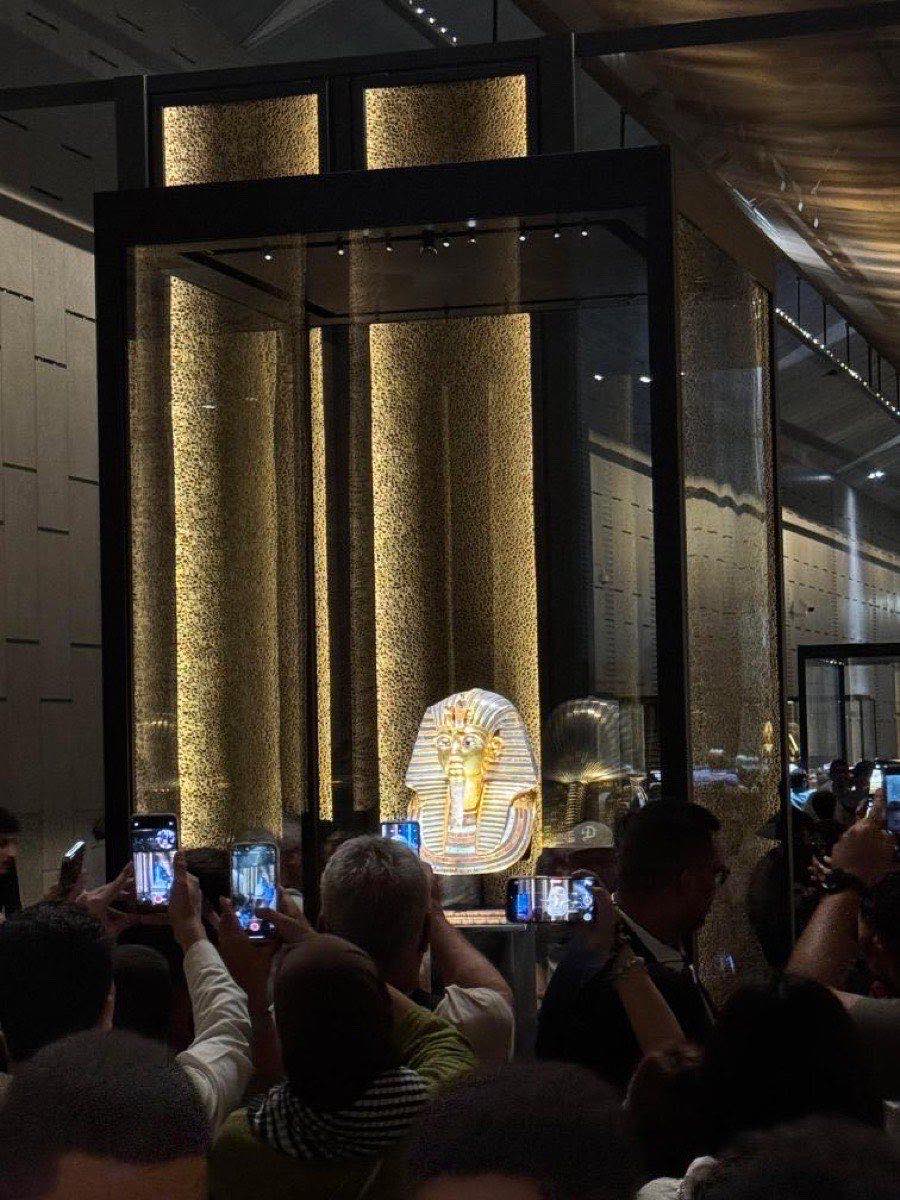
The GEM genuinely requires a separate half-day minimum. The Tutankhamun collection alone — all 5,398 objects — spans multiple halls. The Royal Mummies Hall demands a calm, unhurried approach. Factor at least four hours; six is comfortable. The museum café on Level 1 serves a reasonable lunch.

Accessibility & Practical Notes

What You Need to Know Before Arriving

The plateau surface is compacted sand and gravel — manageable for most mobility aids on the main access routes but challenging over rough ground. Golf carts (EGP 100–150 per circuit) operate on the main plateau road and can be shared. The Sphinx viewing area has a paved walkway with gentle gradient.

The Grand Egyptian Museum is fully accessible with lifts between all levels and wide corridors throughout. The Tutankhamun hall has clearly marked wheelchair routes. The Royal Mummies Hall has no steps between cases. The GEM is one of the most accessible major museums in the region.

Great Pyramid interior access involves a narrow inclined corridor at approximately 26 degrees gradient with minimal headroom — not recommended for claustrophobic visitors, those with cardiac conditions, or mobility impairment. The experience inside is genuinely interesting but not obligatory for a satisfying plateau visit.

  • No open food or drink inside any pyramid or the GEM galleries
  • Photography permitted on the plateau exterior; prohibited inside the Great Pyramid interior
  • Sunscreen, hat, and water are essential — shade is minimal on the plateau
  • Official licensed guides identifiable by Ministry of Tourism badge (blue lanyard)
  • Persistent unofficial vendors are common at main viewpoints; a firm but polite refusal is sufficient
Detail of golden Tutankhamun objects at the Grand Egyptian Museum
Continue Exploring

Related Egypt Destinations

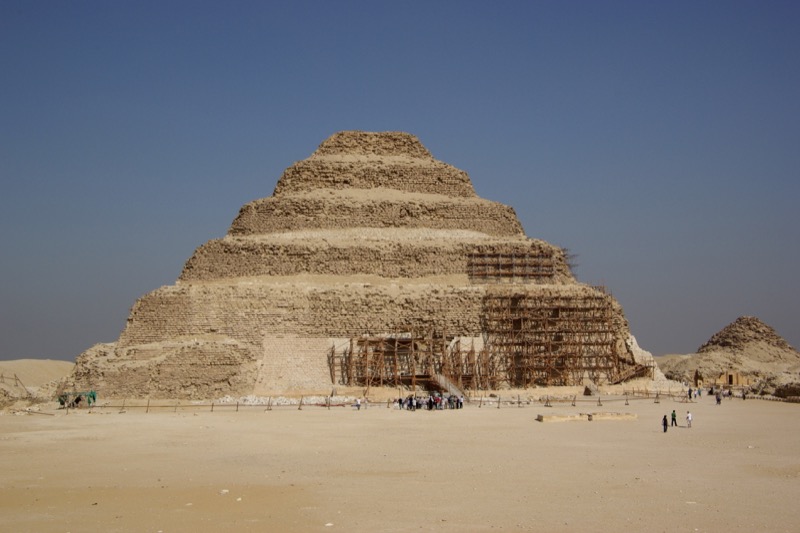
Step Pyramid of Djoser at Saqqara
Memphis Region

Ancient Memphis & Saqqara

Giza is the pinnacle of pyramid construction, but the evolution of the form began at Saqqara — 30 kilometres south. The Step Pyramid of Djoser, the Serapeum, and the Memphis Open-Air Museum make an outstanding half-day addition to your Cairo itinerary.

Memphis & Saqqara guide ›
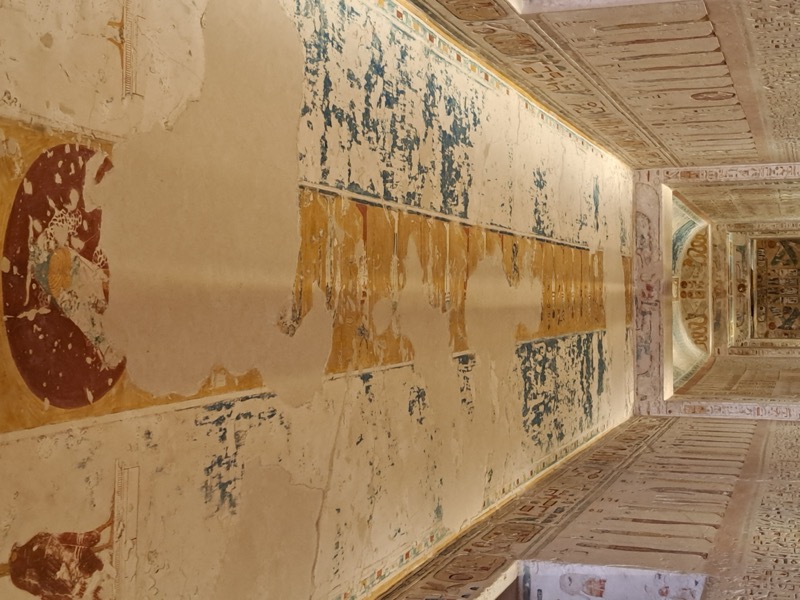
Valley of the Kings tomb entrance limestone hills
Luxor West Bank

Valley of the Kings

The royal necropolis of the New Kingdom pharaohs, 600 kilometres south of Cairo. Sixty-three decorated tombs cut into the Theban limestone hills, including the small but iconic tomb of Tutankhamun whose treasures you may have just seen at the GEM.

Valley of the Kings guide ›
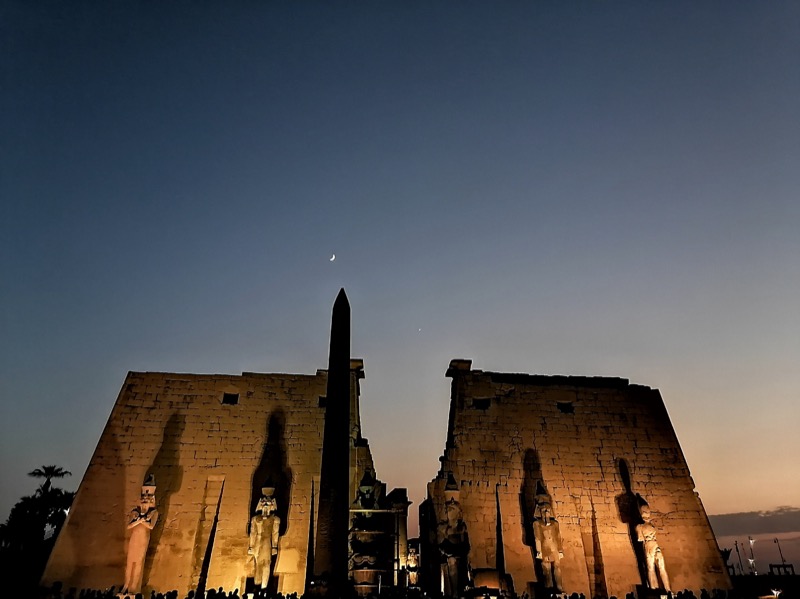
Luxor temple pylons at night
Luxor East Bank

Luxor Temples

Karnak and Luxor Temple on the east bank represent a very different era and architectural vocabulary from the Old Kingdom monuments at Giza — the New Kingdom at its most ambitious, theatrical, and colourful. A natural continuation of the Pharaonic story.

Luxor Temples guide ›

Planning a Giza Visit?

Our team can build a personalised itinerary for the Giza Plateau and Grand Egyptian Museum — including advance ticket strategy, transport from central Cairo, and accessibility arrangements.

Send a Message