Luxor to Aswan — 250 km

Nile Cruises: What to Expect & What to Choose

A Nile cruise between Luxor and Aswan is the most popular multi-day experience in Egypt, and also one of the most frequently misrepresented by travel agencies. This guide tells you what it is actually like on board, which vessel type suits different travellers, and what the typical itinerary covers.

A white Nile cruise ship sailing between Luxor and Aswan in afternoon light
The Route

The Standard Luxor–Aswan Cruise

The classic Nile cruise covers the 250-kilometre stretch of river between Luxor and Aswan — the most densely monument-rich section of the Nile. The standard direction is south (Luxor to Aswan), with most cruises taking four days and three nights. The reverse direction (Aswan to Luxor) takes five days to account for sailing against the current in certain sections.

All cruises stop at the same core sites: Karnak and Luxor Temple on departure day in Luxor, then Edfu (Temple of Horus — the best-preserved temple in Egypt), Kom Ombo (a dual-entry temple shared between Sobek the crocodile god and Horus), and arrive in Aswan where Philae Temple is typically visited as the last excursion. Sites are visited as guided group tours included in the cruise price.

The experience between sites — sailing through agricultural land, passing mud-brick villages, watching feluccas and local transport vessels on the water — is genuinely pleasant and a significant part of the cruise's appeal. Mornings and late afternoons on the sun deck are particularly rewarding. Midday in summer is challenging; most passengers remain inside with air conditioning between approximately 12:00 and 15:30.

  • Standard route: Luxor — Edfu — Kom Ombo — Aswan (4 days/3 nights)
  • All guided site visits included in the standard cruise price
  • Entry fees to sites are usually additional (clarify before booking)
  • Passenger capacities: large ships 100–250 passengers; dahabiya 8–20 passengers
  • Peak season (Oct–April): book at least 4–6 weeks in advance; summer months available with shorter notice
View from the sun deck of a Nile cruise ship passing farmland
Vessel Types

Large Cruise Ship vs. Dahabiya

The choice of vessel determines approximately 70 percent of your experience. The sites you see are the same; everything else differs substantially.

Aspect Large Cruise Ship Dahabiya (Traditional Sailing Vessel)
Capacity 100–250 passengers 8–20 passengers
Price per person (standard) $350–$900 (4 days) $800–$2,500 (5–6 days)
Cabin quality Hotel-standard; some ships dated Boutique, individually designed
Dining Buffet, 3 meals/day included Set menu, often excellent quality, included
Site visits Group-guided tours, set times More flexible timing; smaller groups at sites
On-deck experience Good, can be crowded on sun deck Exceptional; sailing under canvas is a feature
Night docking Moored in town (Edfu, Kom Ombo) Often moors in open water away from towns
Best for Budget-conscious, first visit, efficiency Repeat visitors, couples, slow travel philosophy
What You Will Visit

Key Sites on the Luxor–Aswan Route

Day 1

Luxor East Bank

Karnak Temple Complex (the largest religious site in the world) and Luxor Temple (open until 22:00 and best visited at dusk). Most cruises depart Luxor dock in the early evening after the temple visits. The Valley of the Kings on the west bank is usually covered as a separate day trip, not part of the standard cruise.

Day 2

Edfu

The Temple of Horus at Edfu (EGP 200 adults) is the best-preserved large temple in Egypt — built between 237 and 57 BCE and still largely roofed, giving a rare experience of an ancient Egyptian interior in near-complete darkness. The entrance pylon is 36 metres tall. Arrive by horse-drawn caleche from the dock (10 minutes) or walk. Allow 90 minutes.

Day 3

Kom Ombo

The Temple of Kom Ombo (EGP 180 adults) is architecturally unique — a double temple with perfectly symmetrical left and right halves dedicated respectively to the crocodile god Sobek and the falcon god Horus the Elder. The Sobek chapel's small museum contains several ancient crocodile mummies found in nearby catacombs. Evening sailing from Kom Ombo to Aswan is particularly beautiful.

Day 4

Aswan & Philae

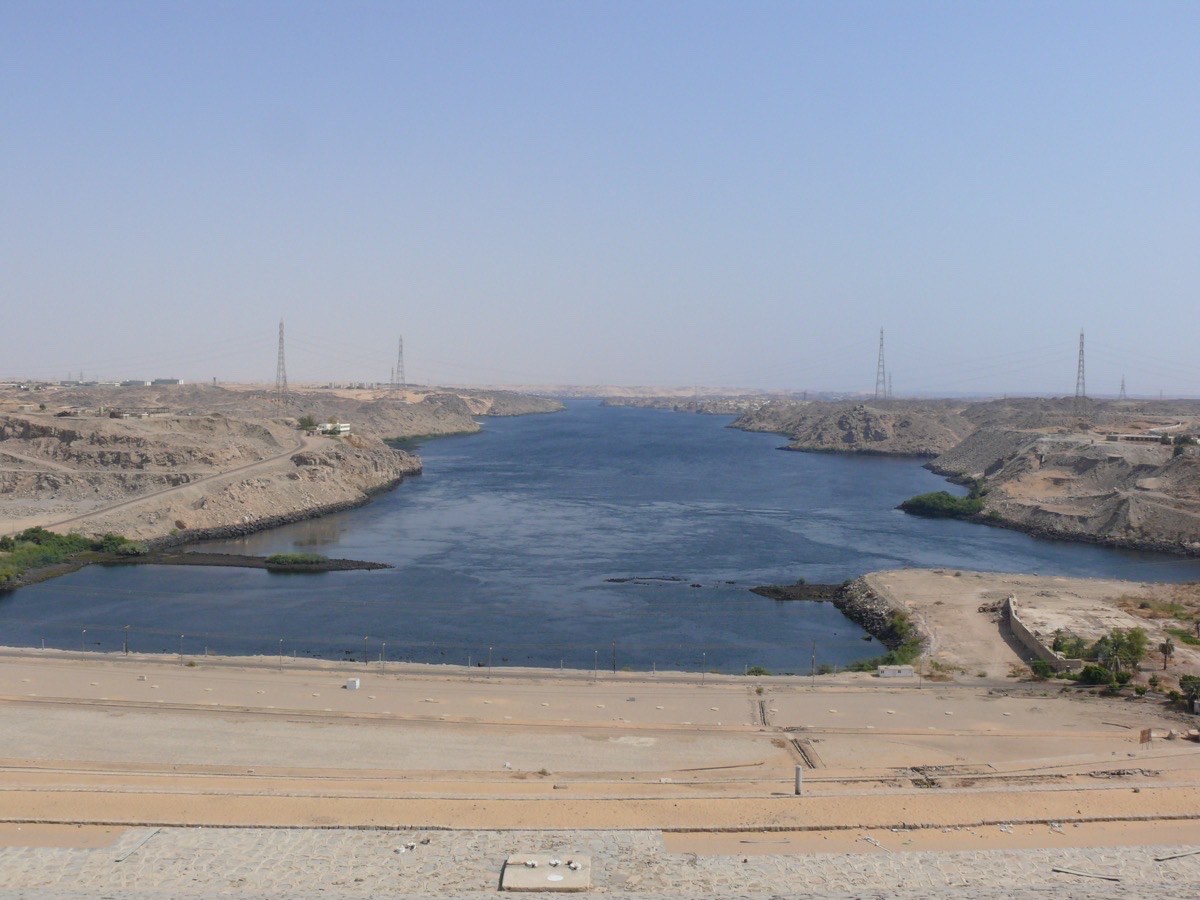
The cruise concludes in Aswan with a guided visit to Philae Temple (Isis on Agilkia Island). Most cruises also include the Unfinished Obelisk and the High Dam as additional stops. The Nubian Museum is usually not included in the standard cruise program and is best visited independently before or after the cruise using the free afternoon after disembarkation.

Unfiltered Assessment

What Travel Agencies Do Not Tell You

These are the aspects of the Nile cruise experience that are rarely mentioned in promotional material but matter to most travellers.

The Ships Are Not Equal

There are roughly 300 large cruise ships operating on the Luxor–Aswan route. They range from genuinely well-maintained four and five-star vessels to 20-year-old ships with dated cabins and failing air conditioning. The price difference between the best and worst can be only $100–150. Always ask for the specific vessel name and check recent independent reviews before booking. "Five-star rated" in Egyptian cruise marketing does not correspond to international hotel star standards.

Site Entry Fees Are Usually Extra

The vast majority of Nile cruise packages include guided tours but exclude the entry fees to the temples and sites along the route. On a four-day cruise, entry fees for a couple covering Karnak, Luxor Temple, Edfu, Kom Ombo, and Philae total approximately EGP 1,600–2,000 (around $35–40 per person). This is rarely highlighted clearly in the booking process. Budget for it separately.

High Season Congestion

In peak season (November–February), it is entirely normal to see 20–30 large cruise ships moored side by side at Edfu or Kom Ombo docks. The experience of arriving at Edfu by walkway through three adjacent ships before reaching the dock is jarring. This does not meaningfully affect the quality of the site visit, but it does affect the feeling of the journey. A dahabiya that moors independently sidesteps this entirely.

Tipping Culture

Tipping on Nile cruises is a significant component of crew income — the stated price is based on this assumption. The standard on large ships is approximately $10–15 per person per day for the collective crew tip, given to the cruise director on the final morning. Your guide receives a separate tip (EGP 100–200 per person per excursion is typical). Not tipping is noticed and commented on; it is not optional in any practical sense.

Sites Along the Route

Deep Dives Into What You Will See

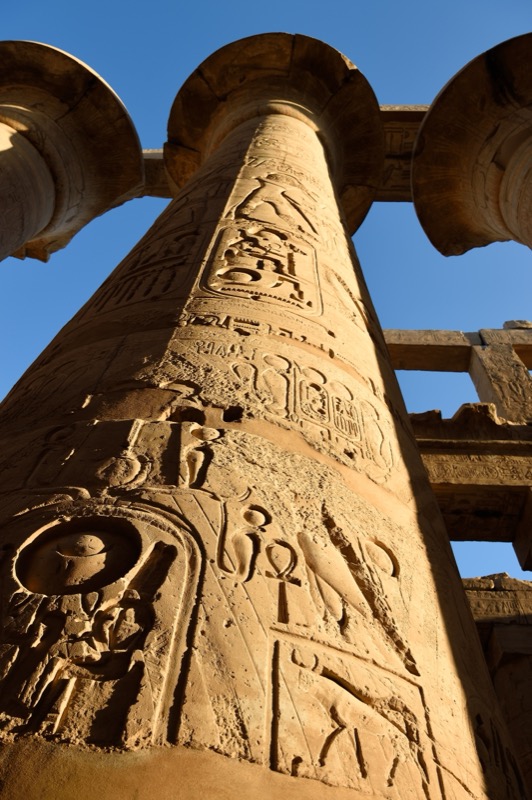
Karnak temple hypostyle hall
Cruise Departure Point

Luxor Temples

Day 1 of any Luxor-to-Aswan cruise is spent at Karnak and Luxor Temple. Our dedicated Luxor guide covers the optimal strategy for both — including why Karnak at 06:00 and Luxor Temple at dusk is a combination that the group cruise schedule rarely allows but that independent arrival before embarkation makes possible.

Luxor Temples guide ›
Philae Temple island from the water
Cruise Destination

Aswan Highlights

After the cruise ends in Aswan, most travellers spend 1–2 additional nights to visit the Nubian Museum, the Unfinished Obelisk, take a felucca at sunset, and potentially do the Abu Simbel day trip (280 km further south). Our Aswan guide covers all of this in detail.

Aswan guide ›
Valley of the Kings from above
Often Combined with Cruise

Valley of the Kings

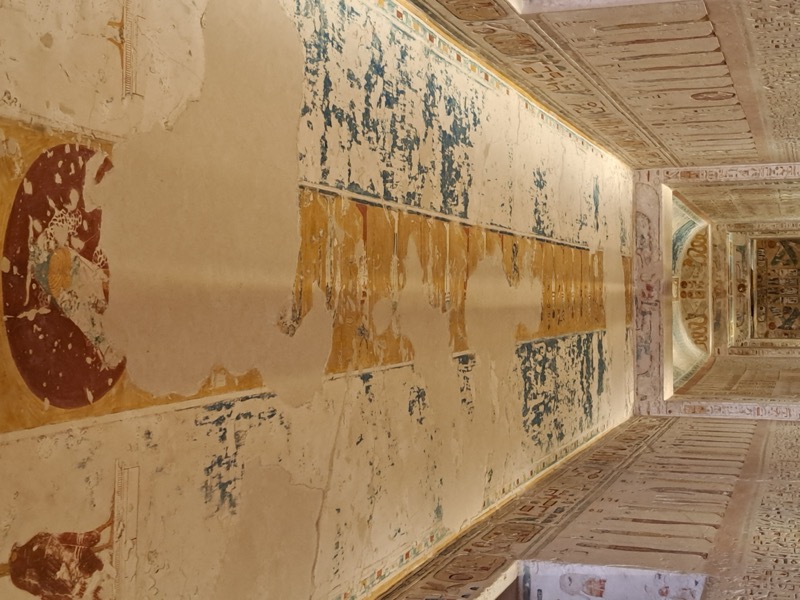
The Valley of the Kings on Luxor's west bank is not covered by the standard cruise itinerary (which focuses on east bank temples). Most travellers spend 1–2 days in Luxor independently before or after the cruise to cover the west bank. Our guide gives you the complete west bank full-day itinerary.

Valley of the Kings guide ›

Choosing the Right Cruise?

Our team can advise on specific vessels, the relative merits of dahabiya operators we have monitored directly, and how to sequence a Nile cruise with independent days in Luxor and Aswan for the best overall experience.

Ask Our Team