Cairo Region — 30 km South

Ancient Memphis & Saqqara: Complete Visitor Guide

The world's first stone structure, subterranean galleries housing 70-tonne bull sarcophagi, and the capital of ancient Egypt for 3,000 years — all within 45 minutes of central Cairo.

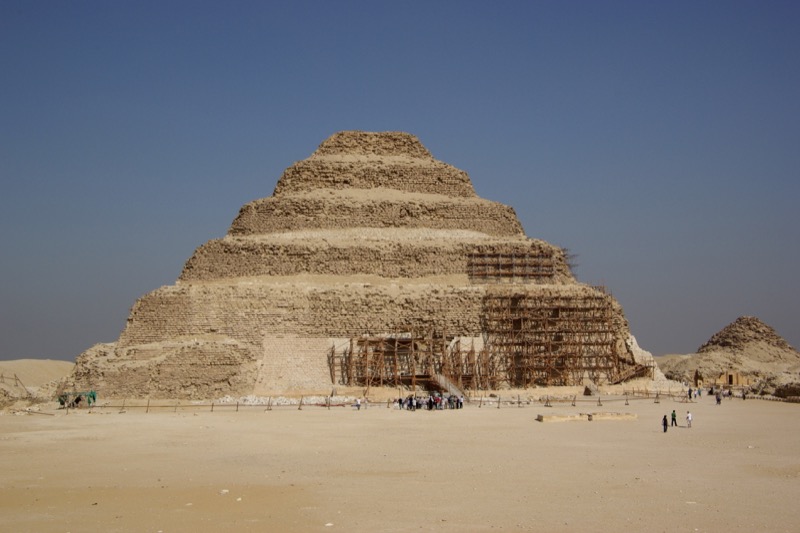
The Step Pyramid of Djoser rising from the Saqqara desert plain
The Ancient Capital

Memphis: Egypt's First Capital

Memphis (ancient Ineb-Hedj, "the White Walls") served as the capital of unified Egypt from around 3100 BCE — when the legendary first pharaoh Menes brought Upper and Lower Egypt under a single crown — through to the New Kingdom period, when Thebes (Luxor) assumed primary importance. For roughly 1,500 years, Memphis was the political, religious, and commercial heart of the ancient world's most powerful state.

The city stood at the apex of the Nile Delta, controlling both the river route south and the agricultural wealth of the Delta region to the north. At its peak the population is estimated to have exceeded 30,000 — enormous by ancient standards. The great temple of Ptah, the creator deity and patron of craftsmen, dominated the city centre and was described by classical Greek visitors as one of the wonders of the world.

Today, very little of Memphis itself is visible above ground. Centuries of agricultural use, stone quarrying, and the gradual rise of the water table have buried or dissolved most of the mudbrick administrative structures and temples. What remains is collected in the Memphis Open-Air Museum (Mit Rahina), a pleasant site 3 kilometres north of Saqqara that houses the most significant surviving objects from the ancient city — including the colossal limestone statue of Ramesses II that gives the museum its character.

  • Memphis Open-Air Museum (Mit Rahina): EGP 100 adults, EGP 50 students
  • Open daily 09:00–17:00
  • 30 km south of central Cairo — 45 minutes by taxi via the Giza–Fayoum highway
  • Best combined with Saqqara as a half-day excursion: Memphis first (shorter visit), Saqqara second (longer)
The colossal recumbent Ramesses II limestone statue at Memphis
What to See

Memphis Open-Air Museum — Key Objects

Recumbent Colossus of Ramesses II

The centrepiece of the museum is a 10-metre limestone statue of Ramesses II, originally freestanding but now displayed horizontally under a purpose-built shelter following damage to its feet that made upright display impossible. The quality of the carving — the musculature, the double crown, the cartouches on the belt — is outstanding. This was one of a pair; the standing companion now occupies Ramesses Square in central Cairo (recently relocated to the Grand Egyptian Museum forecourt area).

Alabaster Sphinx

In the eastern section of the open-air garden stands a large alabaster sphinx — approximately 8 metres long and weighing 80 tonnes — of unusually fine cream-white stone. The face has suffered damage over centuries but the body carving is extremely detailed. The sphinx's identity is uncertain: cartouches on the chest plate have been erased or never completed. Dating to the New Kingdom is the scholarly consensus.

Ptah Temple Gateway Fragments

Several large limestone gateway fragments from the great Temple of Ptah are displayed along the eastern perimeter of the garden. Carved with offering bearers, royal cartouches, and the characteristic Memphis style of the 19th Dynasty, they give a sense of the scale and quality of the temple whose standing walls once reached 12 metres. The temple complex at its height covered over 200,000 square metres.

Sculpture Garden

A series of smaller statues, column capitals, door lintels, and architectural fragments are distributed around the museum garden, shaded by palm trees. The collection includes pieces from the Middle and New Kingdoms representing various pharaohs and deities associated with the Ptah cult. The garden itself is pleasant for a 30-minute walk before heading to Saqqara.

Egypt's Oldest Necropolis

Saqqara: The Step Pyramid & Beyond

Saqqara stretches 7 kilometres north to south along the plateau edge west of Memphis, and served as the principal royal necropolis from the 1st Dynasty (around 3000 BCE) through the Late Period. The name derives from the Egyptian funerary god Sokar, patron of this necropolis region.

The site's most famous monument — and the reason most visitors come — is the Step Pyramid complex of Djoser, built around 2650 BCE by the architect Imhotep under the third dynasty pharaoh Djoser. The Step Pyramid is the world's oldest large stone structure, constructed by stacking a series of mastaba platforms of diminishing size to create a stepped form 62 metres tall covering a footprint of 125 x 109 metres. Before Imhotep's design, royal tombs were flat-roofed mudbrick mastabas; he conceived and executed the first monumental stone architecture ever attempted. Imhotep was subsequently deified by Egyptians — an extremely rare honour for a non-royal — and worshipped as a patron deity of medicine and wisdom.

Surrounding the Step Pyramid is an elaborate funerary complex enclosed by a 10-metre boundary wall with 14 false gateways and one genuine entrance — a design intended to confuse or block tomb robbers. The Heb-Sed court, the House of the South with its proto-Doric columns, and the serdab (a sealed chamber containing a seated statue of Djoser himself visible through a small opening) are all within the enclosure. Recent excavations have dramatically expanded our knowledge of the complex — a major cache of sealed Late Period coffins was discovered at Saqqara in 2020.

  • Saqqara ticket: EGP 180 adults, EGP 90 students — covers entire site including Step Pyramid enclosure
  • Serapeum (bull vaults): EGP 60 additional — a separate ticket at the site entrance
  • Open daily 08:00–17:00
  • Allow 2.5–3 hours for the core sites; 4 hours for thorough exploration including mastaba tombs
The Step Pyramid complex with boundary wall and blue sky
The Serapeum & Noble Tombs

Beyond the Step Pyramid

Most visitors see only the Step Pyramid and leave. The Serapeum and the decorated mastaba tombs of the Old Kingdom nobility are less crowded and arguably more historically complex.

Site 1

The Serapeum

A subterranean gallery system housing 24 enormous black granite sarcophagi of the sacred Apis bulls — each coffin cut from a single granite block weighing 60–70 tonnes. The bulls were regarded as the living incarnation of Ptah and were mummified and entombed here with full royal honours over a span of 1,300 years. The atmosphere in the underground galleries is genuinely eerie; the scale of the sarcophagi is hard to grasp until you stand beside them.

Site 2

Mastaba of Ti

The 5th Dynasty overseer Ti had one of the finest decorated mastaba tombs in the Saqqara field — wall paintings depicting agriculture, hunting, fishing, and craftwork that serve as an invaluable documentary record of Old Kingdom daily life. The quality and state of preservation of the painted reliefs is exceptional for their age (approximately 2400 BCE). Ti's mastaba is accessed via a separate stairway and can be combined with the Serapeum visit on the same walk.

Site 3

Pyramid of Unas

The pyramid of Unas (5th Dynasty, around 2350 BCE) appears unremarkable externally — a heap of rubble. Inside, however, the burial chamber and antechamber walls are covered with the oldest surviving religious texts in the world: the Pyramid Texts, 227 spells and incantations intended to guide the pharaoh safely to the afterlife and ensure his resurrection. These are the direct ancestor of the later Coffin Texts and Book of the Dead.

New Finds

Recent Excavations

Saqqara remains one of the most actively excavated sites in Egypt. The 2020 discovery of 59 sealed wooden coffins containing New Kingdom mummies (some still gilded) was among the largest Egyptian archaeological finds in decades. The site museum near the Step Pyramid displays some of these finds and is updated regularly as excavations continue. Check with our team for the latest opened sections.

Continue Exploring

From Memphis to the Rest of Egypt

Giza Pyramids seen from the plateau
Greater Cairo — 30 km North

Giza Plateau

The logical pairing with Saqqara is Giza — the two sites together tell the complete story of pyramid development from Imhotep's first stepped attempt at Saqqara to the perfected smooth-sided pyramids of Khufu, Khafre, and Menkaure. Many visitors combine both in a single long day from Cairo.

Giza Plateau guide ›
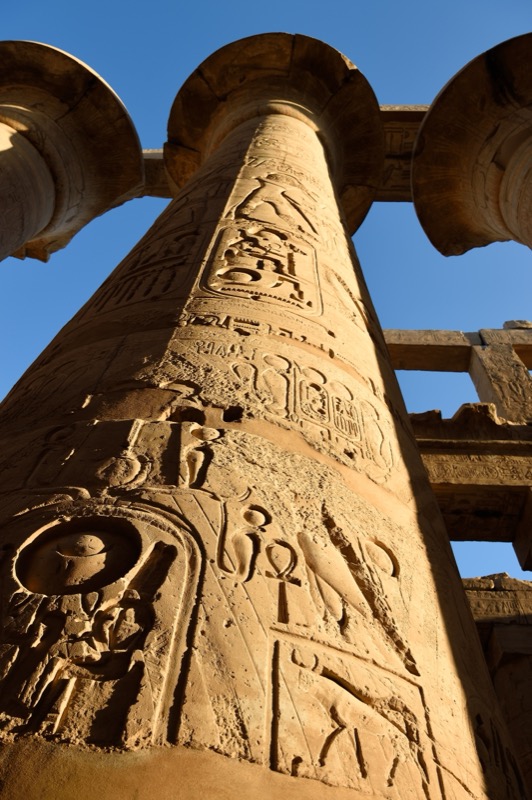
Karnak temple columns at dusk
Luxor — 600 km South

Luxor Temples

The story of Old Kingdom Memphis and Saqqara is one chapter of Egypt's civilisation. The New Kingdom temples of Luxor — Karnak, Luxor Temple, and the Valley of the Kings — represent the flowering that followed 700 years later, and the contrast is dramatic.

Luxor Temples guide ›
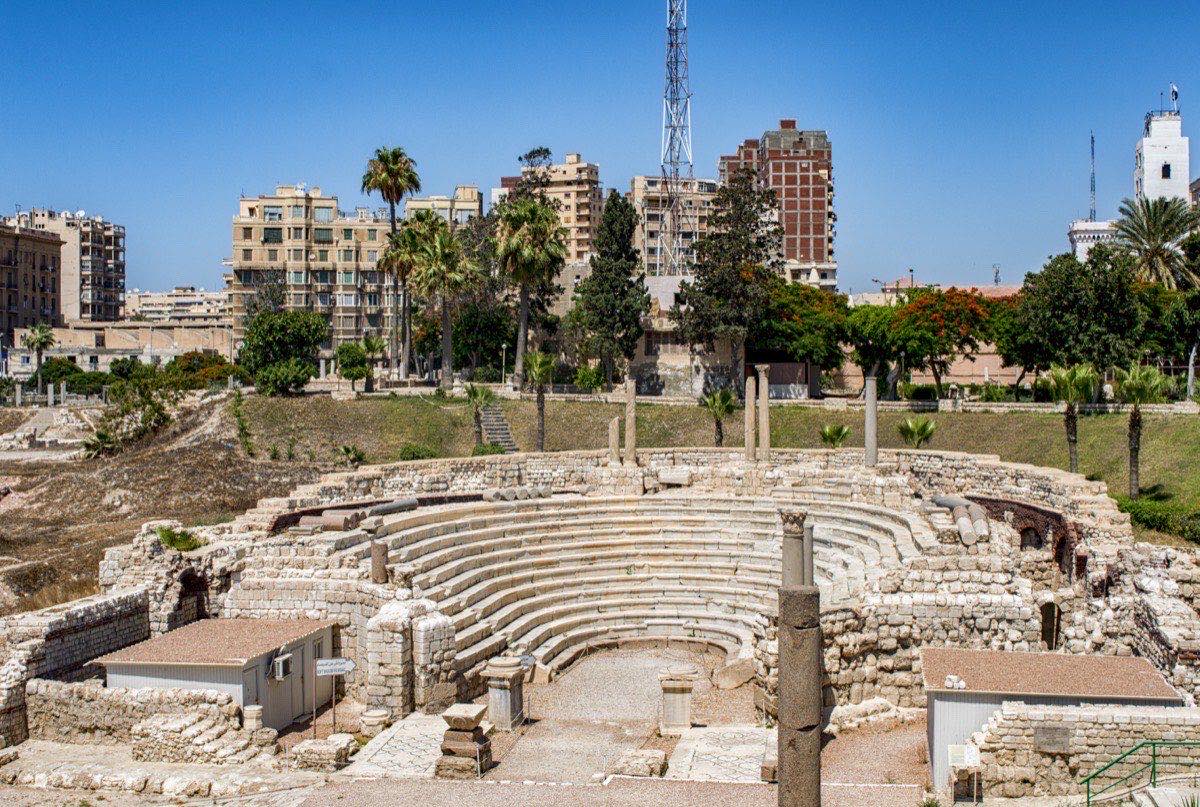
Bibliotheca Alexandrina waterfront
Alexandria — 200 km North

Coastal Getaways

Alexandria and the Mediterranean coast offer a complete change of character from the Pharaonic sites — Greek and Roman archaeology, the Bibliotheca Alexandrina, and an entirely different pace of life. A rewarding contrast after the intensity of Cairo's ancient sites.

Coastal & Alexandria guide ›

Add Memphis & Saqqara to Your Cairo Itinerary

Our Cairo-based team can build a one or two-day Cairo plan combining Giza, the Grand Egyptian Museum, Saqqara, and Memphis with realistic timing and transport logistics.

Request a Plan