Mediterranean, Red Sea & North Coast

Egypt's Coastal Destinations: A Practical Guide

Beyond the Nile valley monuments, Egypt has over 2,400 kilometres of coastline — Mediterranean, Red Sea, and Gulf of Aqaba — each with a different character and purpose. This guide covers what each coastal destination actually offers and who each suits.

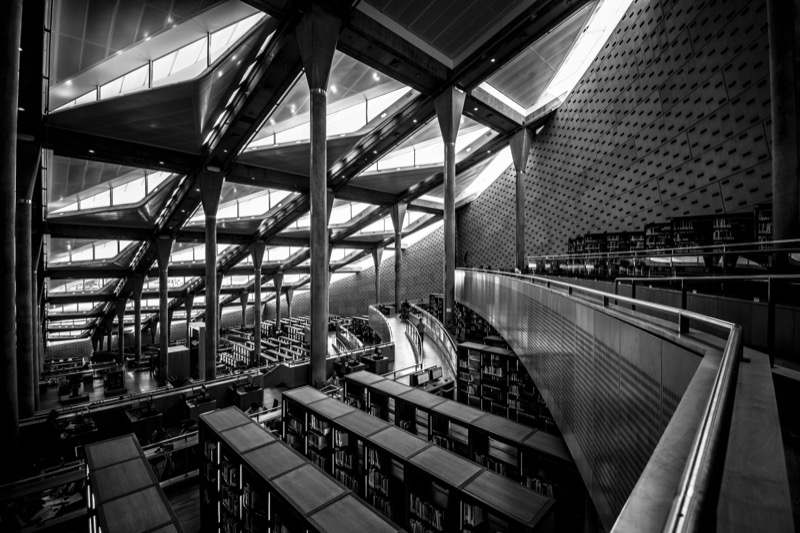
The Bibliotheca Alexandrina on the Alexandria waterfront with the Mediterranean behind
Mediterranean Egypt

Alexandria: Culture, History & the Sea

Alexandria (Al-Iskandariyya) is Egypt's second city and one of the ancient world's most significant urban centres — founded by Alexander the Great in 331 BCE and developed as the Ptolemaic capital into a city of learning, commerce, and culture that rivalled Rome. For roughly six centuries it was one of the most cosmopolitan places on earth.

The ancient library, the Pharos lighthouse (one of the Seven Wonders), the great Jewish synagogue, Cleopatra's palace — most of Alexandria's ancient glories are gone, submerged in the harbour, recycled into medieval buildings, or simply lost to time. What remains is layered archaeological heritage (primarily Greco-Roman), a distinctive 19th-century European-influenced architecture from the colonial period, and a Mediterranean atmosphere genuinely different from the rest of Egypt.

The Bibliotheca Alexandrina (see our full review in the services section) is the city's signature contemporary institution. The Greco-Roman Museum (currently closed for restoration, expected reopening 2025) was the best collection of Hellenistic artefacts in Egypt. The Catacombs of Kom el-Shuqqafa — a three-storey underground necropolis from the 2nd century CE — are the most compelling single site in the city.

  • 220 km from Cairo — 2 hours by air-conditioned train; day-trip feasible, overnight stay recommended
  • Catacombs of Kom el-Shuqqafa: EGP 120 adults
  • Bibliotheca Alexandrina museum complex: EGP 60–120
  • Kom el-Dikka Roman Theatre: EGP 80 adults
  • National Museum of Alexandria: EGP 100 adults
  • Pompey's Pillar (outdoor): EGP 80 adults
Bibliotheca Alexandrina disc building and corniche waterfront
Alexandria Antiquities Circuit

Half-Day Greco-Roman Alexandria

Stop 1

Catacombs of Kom el-Shuqqafa

The oldest and most extensive underground tomb complex in Egypt, used from the 2nd century CE. Three underground levels carved from the limestone — a unique blend of Egyptian, Greek, and Roman funerary iconography. The main burial chamber's Anubis figures wearing Roman armour remain one of the most arresting visual hybrids in ancient art. Allow 45–60 minutes.

Stop 2

Pompey's Pillar & Serapeum

The 30-metre red Aswan granite column (misnamed for Pompey — actually erected to honour Diocletian in 297 CE) stands in the garden of the ancient Serapeum complex, whose foundation catacombs contain Apis bull burials predating Alexandria itself. Short visit (30 minutes); combine with the adjacent Kom el-Shuqqafa site for efficiency.

Stop 3

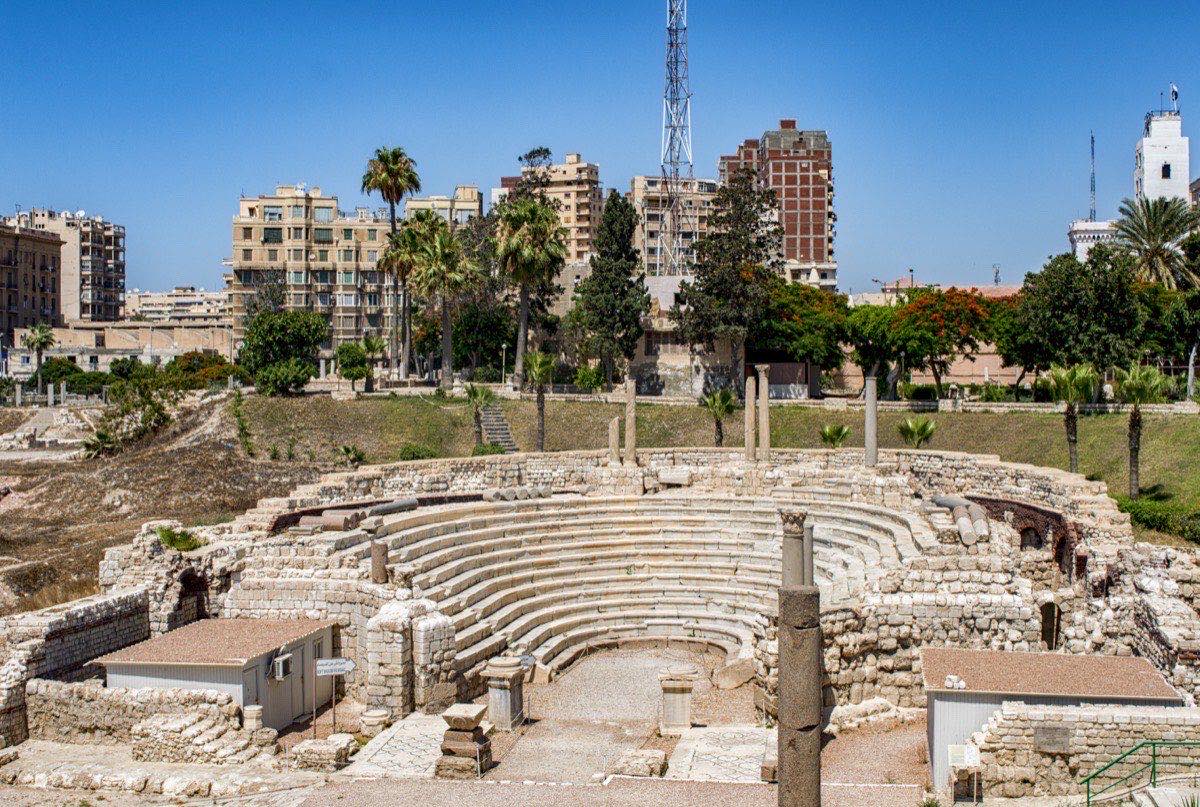
Kom el-Dikka Roman Theatre

The only surviving Roman-era theatre in Egypt — a 13-row marble semicircular theatre seating approximately 800, well-preserved with original seating intact. The surrounding excavation reveals Roman-period villa mosaic floors and a 4th-century CE bath complex. Allow 45 minutes. The site continues to be excavated by the Polish Centre of Mediterranean Archaeology.

Stop 4

Bibliotheca Alexandrina

Afternoon at the Bibliotheca — the Antiquities Museum on the ground level houses a well-presented Ptolemaic and Roman collection including marble statuary, coins, and bronzes. Then walk the Corniche east to the Eastern Harbour, where Alexander's ancient city stretched, and watch fishing boats return to the dock as the afternoon light drops over the Mediterranean.

Red Sea Coast

Hurghada & the Red Sea Riviera

The Red Sea coast — primarily Hurghada (500 km from Cairo) and the southern resort areas between El Gouna and Marsa Alam — is Egypt's primary beach and diving destination, attracting roughly 4 million international visitors annually. The appeal is straightforward: consistent sunshine 11 months of the year, one of the world's premier coral reef ecosystems, warm shallow water, and resort infrastructure ranging from basic to genuinely luxurious.

Hurghada itself is a resort city of some 250,000 permanent residents built almost entirely for tourism since the 1980s. It has little architectural character or cultural depth compared to Cairo or Alexandria, but delivers what it promises — beach, water, and sun — efficiently and at a wide range of price points. The coral reefs directly offshore, particularly Giftun Island National Park (accessible by day trip boat), contain extraordinary marine biodiversity including manta rays, whale sharks (seasonal), dolphins, and extensive hard and soft coral formations.

For travellers who want to combine Egypt's archaeological sites with beach time, Hurghada connects comfortably to Luxor by a 3.5-hour highway drive or 45-minute flight. A standard combination itinerary: Cairo 3 days (Giza, GEM, Islamic Cairo) — Luxor 2 days — Aswan 2 days — fly Aswan–Hurghada — Red Sea 3–4 days. This is a well-tested sequence that our team has refined over dozens of client plans.

  • Giftun Island National Park day trip: EGP 200–400 per person from Hurghada marina
  • El Gouna: upscale lagoon resort 25 km north of Hurghada — noticeably quieter than central Hurghada
  • Marsa Alam: 230 km south, less developed, better for serious divers and snorkellers
  • Direct flights from Hurghada to London, Berlin, Warsaw, and most European hubs
Red Sea reef from above with clear turquoise water
Sinai & the North Coast

Other Coastal Options

Two further coastal destinations suit more specific travel purposes — one for spiritual and trekking interest, one for Egyptian domestic summer tourism.

Sharm el-Sheikh & the Gulf of Aqaba

Sharm el-Sheikh at the southern tip of the Sinai Peninsula operates as a dedicated international resort city — more self-contained and upscale than Hurghada, with one of the world's finest dive destinations at Ras Mohammed National Park (EGP 100 entry). The Tiran Strait dive sites — accessible by day-trip liveaboard — offer visibility exceeding 30 metres in many conditions. The town of Dahab, 90 km north on the Gulf coast, is a more relaxed alternative favoured by backpackers and budget divers.

St. Catherine's Monastery & Mount Sinai

The Greek Orthodox Monastery of St. Catherine (founded 6th century CE) at the foot of Mount Sinai is the oldest continuously inhabited Christian monastery in the world and a UNESCO World Heritage Site. The monastery library holds the second-largest collection of ancient manuscripts after the Vatican. Mount Sinai (2,285 m) is climbed by approximately 100,000 visitors per year, almost always at night for the sunrise at the summit. Entry to the monastery is free; visiting hours are restricted (09:00–12:00, closed Friday, Sunday, and religious holidays).

The North Coast (El Alamein & Marsa Matruh)

Egypt's Mediterranean North Coast is the primary domestic summer destination — largely empty in winter but packed with Egyptian families from July to September. Marsa Matruh (270 km from Alexandria) has some of the clearest Mediterranean water in Egypt, and the coastline between it and Alexandria is dotted with Italian-style beach developments. El Alamein Military Cemetery and Museum (90 km west of Alexandria) is a significant WWII heritage site for Commonwealth, German, and Italian visitors.

Practical Notes for Coastal Egypt

Domestic flights connecting Cairo to Sharm el-Sheikh, Hurghada, and Marsa Matruh are operated by EgyptAir and Air Cairo and are generally reliable and inexpensive (EGP 800–1,500 one way). Bus connections (Go Bus, GoBus.com.eg) serve Alexandria and the North Coast from Cairo in air-conditioned comfort for EGP 100–150. Road security on the Sinai's interior routes is managed — check current Foreign Office guidance for your nationality before independent travel in the Sinai interior.

Continue the Journey

Back to the Nile Valley

Giza Pyramids at dusk
Greater Cairo

Giza Plateau

After the Mediterranean character of Alexandria, returning to the Pharaonic monuments at Giza is a striking transition — from the classical world back to one 2,500 years older. The Grand Egyptian Museum, now fully open, makes Cairo a two-day destination in its own right.

Giza Plateau guide ›
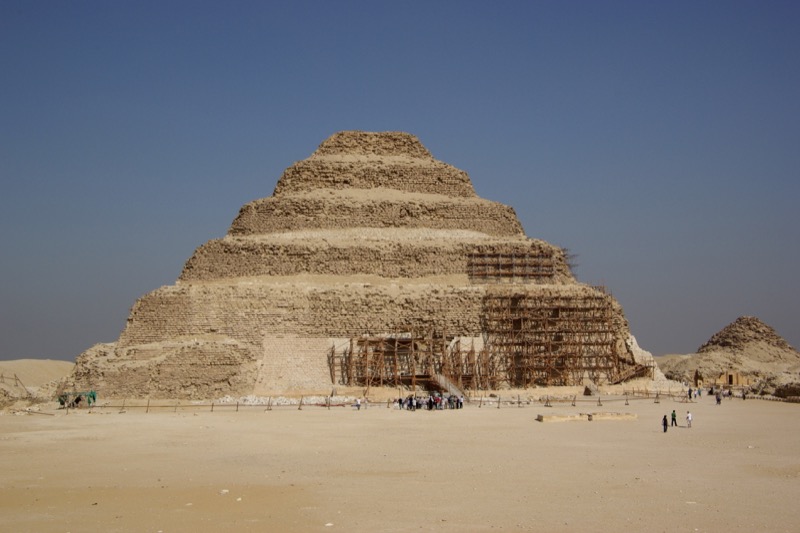
Saqqara step pyramid
Cairo Region — Day Trip

Ancient Memphis

The ancient capital of Memphis, 30 km south of Cairo, is a natural add-on to a Cairo itinerary that has already covered Giza. The Step Pyramid at Saqqara and the Memphis Open-Air Museum take a half-day and provide the chronological backstory to everything you see in the GEM collections.

Memphis guide ›
Nile cruise boat at dusk
River Journey

Nile Cruises

A Nile cruise between Luxor and Aswan is often positioned as the centrepiece of an Egypt itinerary, with Cairo before and a coastal resort after. Our guide cuts through the marketing to tell you what the cruise experience is actually like and how to choose between vessel types.

Nile Cruises guide ›

Building a Combined Egypt Itinerary?

Our team can help you structure a trip that covers the Pharaonic highlights alongside Alexandria or a Red Sea stay — with practical transport links, realistic timing, and accommodation advice free of commission bias.

View Our Plans